Description
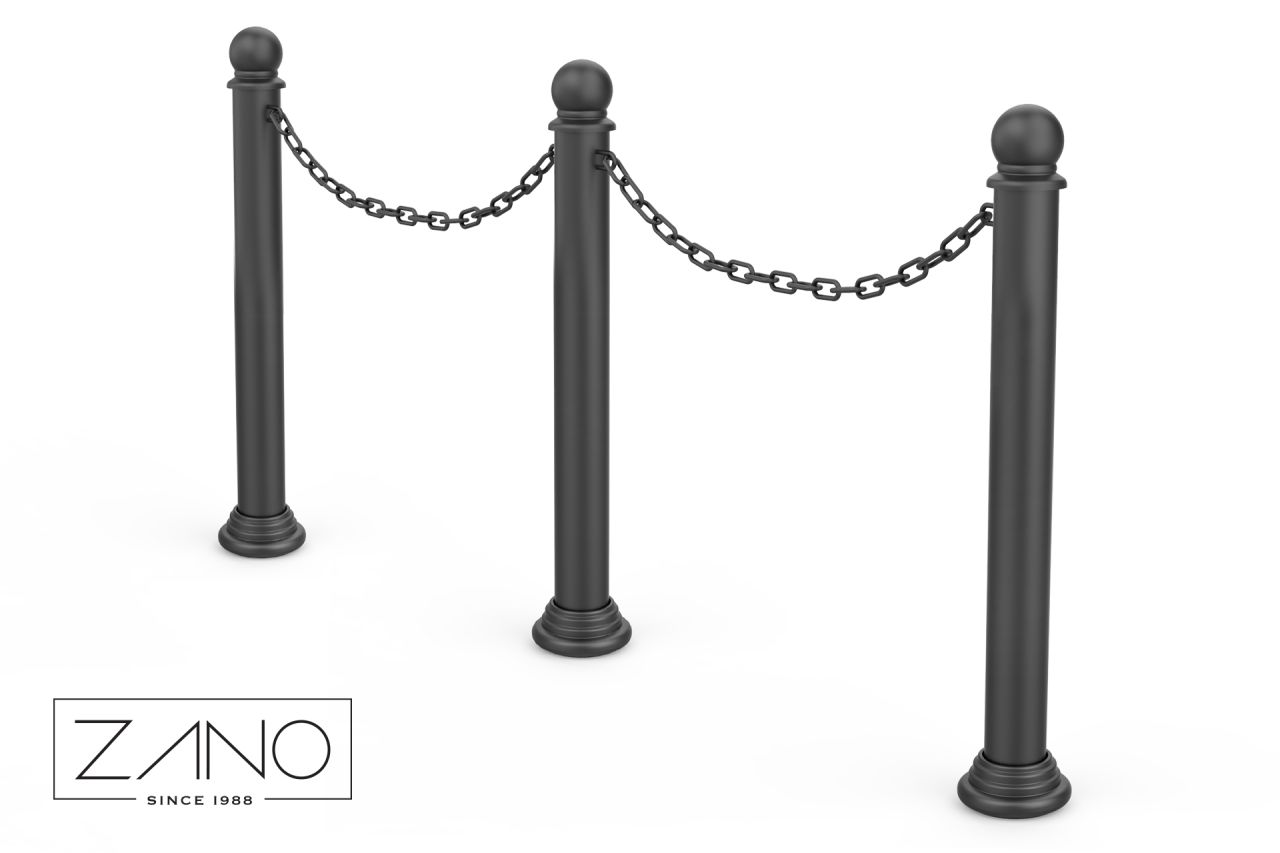
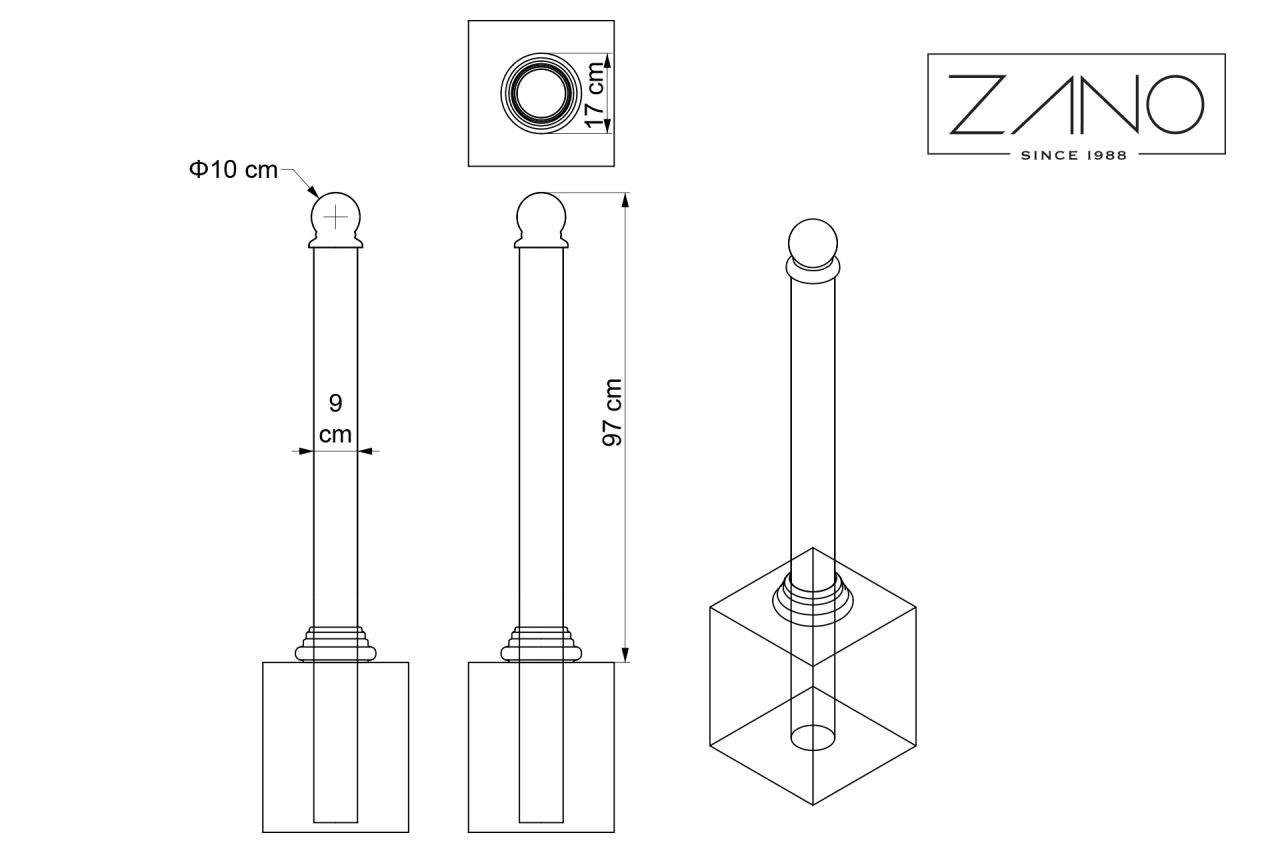
The Bene Bollard (01.059) is a refined example of modern urban furniture, meticulously designed by Tomasz Szpytma to harmonize functionality with architectural aesthetics. Standing at a height of 97 cm with a robust 9 cm diameter, this bollard serves as a durable solution for traffic management and pedestrian safety in diverse metropolitan environments. Crafted from a combination of high-quality cast iron and a sturdy 90 mm steel tube, the unit is engineered to withstand the rigorous demands of public spaces while maintaining a sophisticated appearance. Its weight of 25 kg provides exceptional stability when permanently installed, ensuring a reliable presence within any street furniture landscape.
Engineered for versatility, the Bene series offers extensive configuration options to suit specific project requirements. The structural integrity is maintained through a carbon steel (S235JR) construction, designed for secure installation embedded in concrete. To enhance spatial organization and perimeter delineation, the unit can be equipped with various hardware configurations, including optional chain attachments on one or both sides, as well as single-sided or double-sided fence mounts. These features allow landscape architects and urban planners to integrate the bollards seamlessly into existing infrastructure, whether for restricting vehicle access or creating delineated pathways within public plazas and city centers.
As a key element of the Bene product line, this urban furniture piece balances utilitarian strength with minimalist design principles. By utilizing premium materials and precise manufacturing techniques, the Bene Bollard ensures longevity and resistance to environmental factors, meeting the highest standards for public installations. The integration of fence mounts and chain attachment options provides added utility, enabling the creation of cohesive barriers that define public space boundaries effectively. Its clean, slender silhouette ensures that it complements both historic and contemporary settings, making it an essential component for any comprehensive street furniture design strategy focused on both safety and aesthetic cohesion.