Description
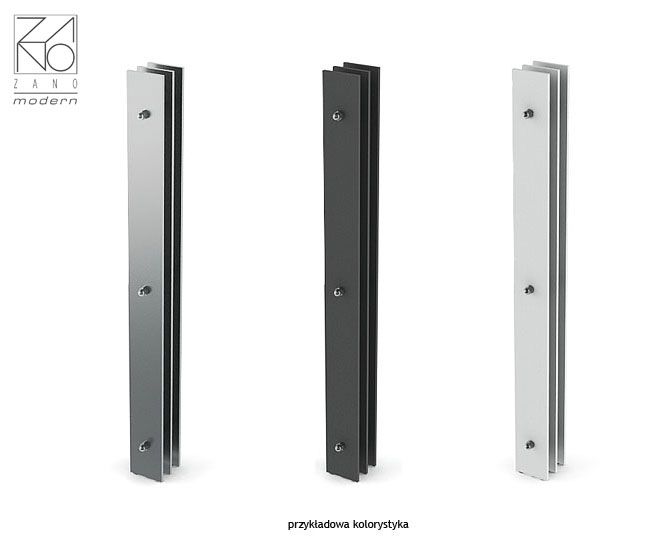
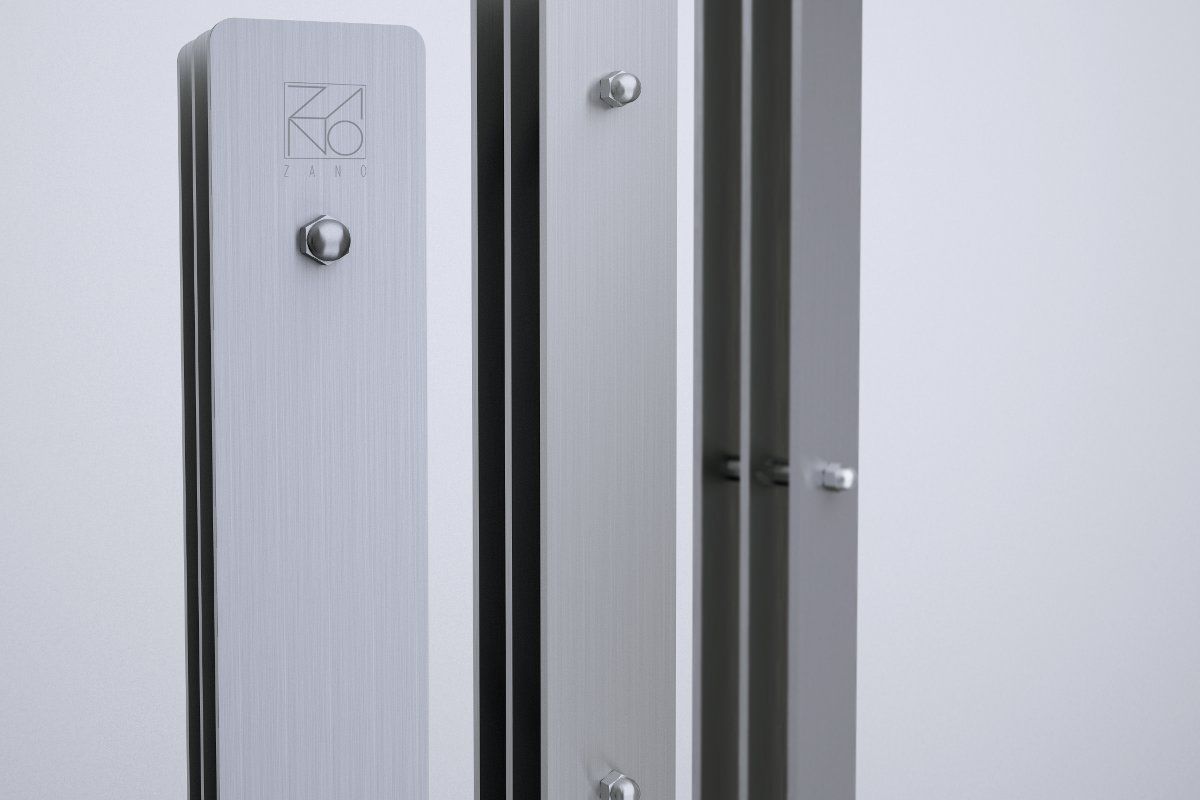
The Bollard Tristad 01.085 represents a sophisticated approach to pedestrian safety and traffic management within the landscape of modern urban furniture. Engineered for durability and visual consistency, this element of street furniture is crafted from high-quality carbon steel (S235Jr) or premium stainless steel (AISI 304). Its structural design utilizes distinct flat bars that create a geometric, minimalist aesthetic, allowing it to integrate seamlessly into diverse architectural environments, ranging from contemporary public plazas to historical city centers. The bollard stands at a height of 100 cm above the ground surface, providing an optimal balance between physical barrier functionality and visual transparency.
Designed for permanent integration into the infrastructure, the Tristad bollard is installed by embedding it directly into concrete, ensuring maximum stability and resistance against accidental vehicular impact. This installation method underscores its role as a reliable security bollard intended for long-term use in high-traffic zones. To further enhance its utility, the system offers versatile fence mount configurations, including single-sided, double-sided, or plain options without mounts. These customization choices allow landscape architects to create cohesive perimeter security solutions that define spatial boundaries while maintaining an open and inviting atmosphere for pedestrians.
The rigorous construction standards applied to the Tristad product line ensure that this piece of street furniture meets the highest durability requirements for outdoor installation. By utilizing robust materials and precise manufacturing techniques, the bollard provides exceptional resistance to environmental stressors and mechanical wear. Whether implemented as a standalone traffic control device or connected via integrated fence mounts to delineate specific walkways and protective barriers, the 01.085 model remains a definitive solution for municipal and private site furnishing. Its clean lines and functional versatility make it an essential component for any comprehensive urban development strategy, combining practical safety requirements with an understated, professional design language.