Options
-
Construction
- carbon steel (s235Jr)
-
Methods of installation
- attached by bolts to foundation


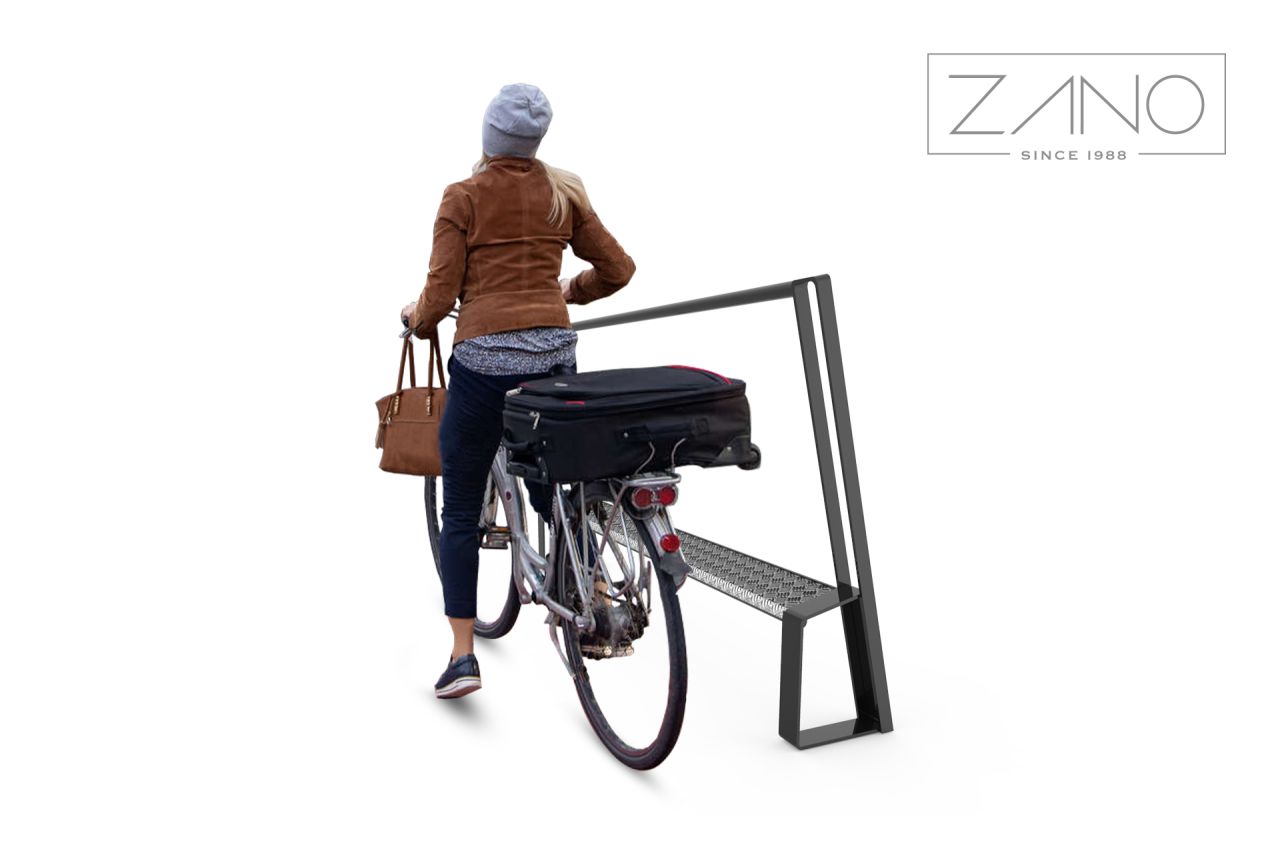
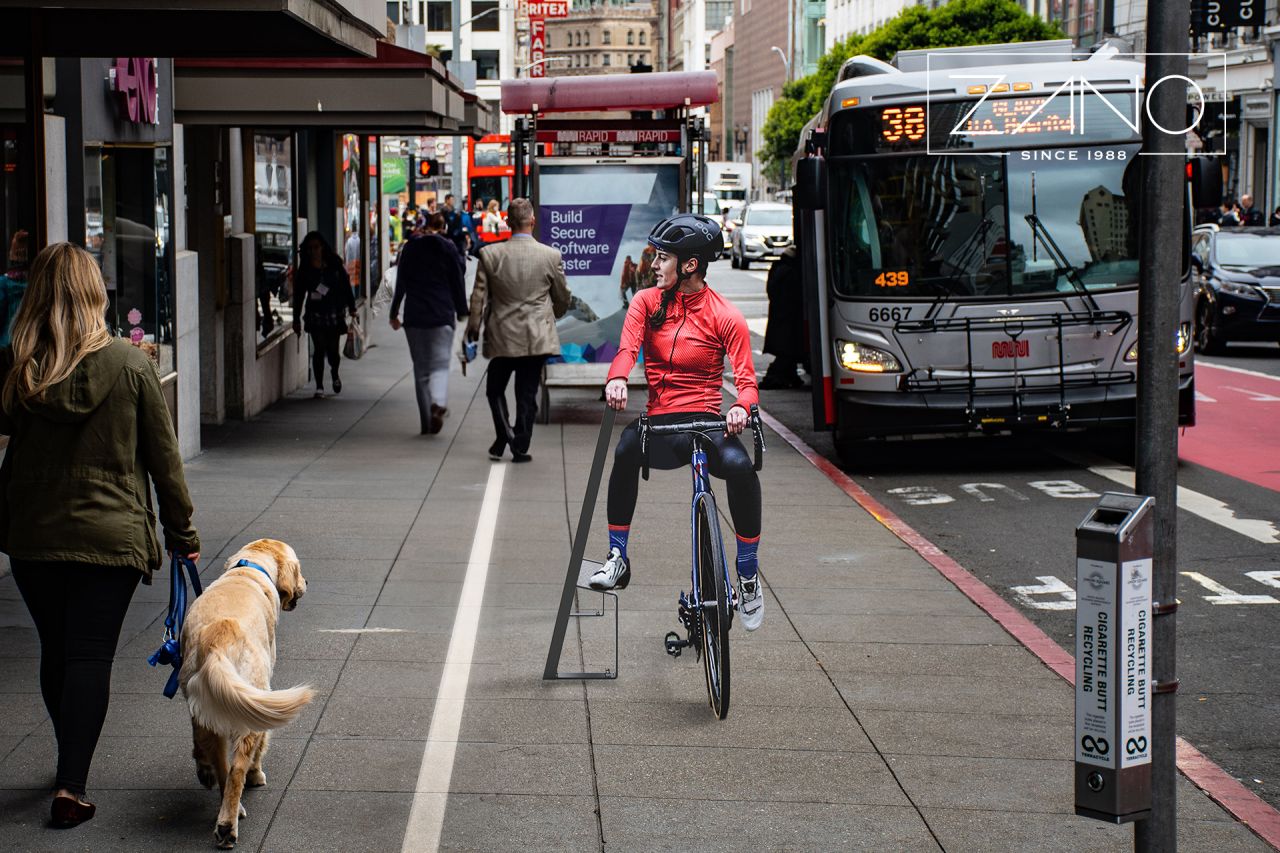
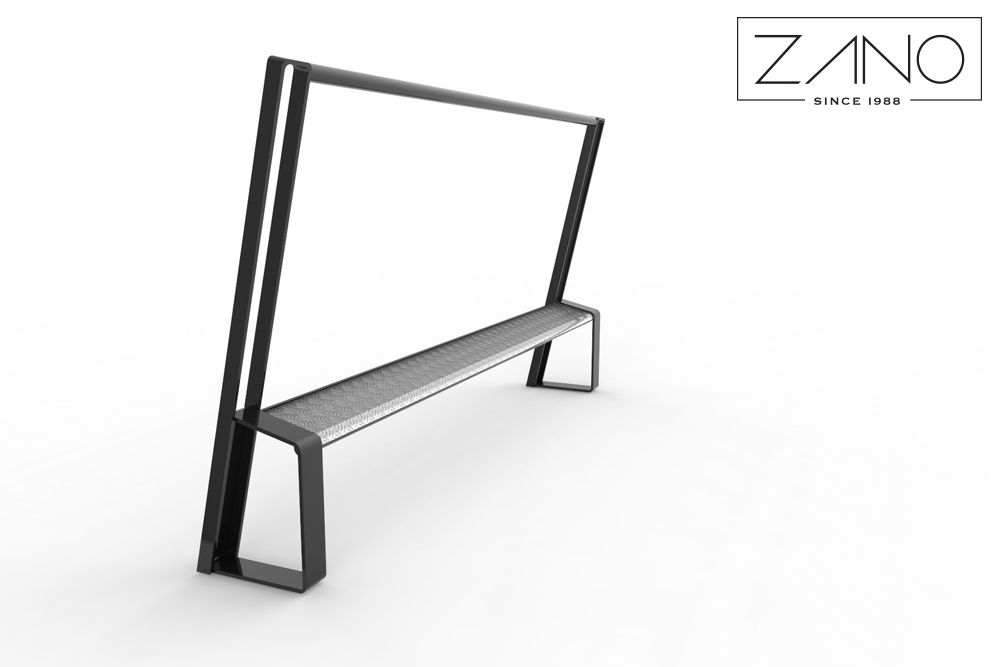
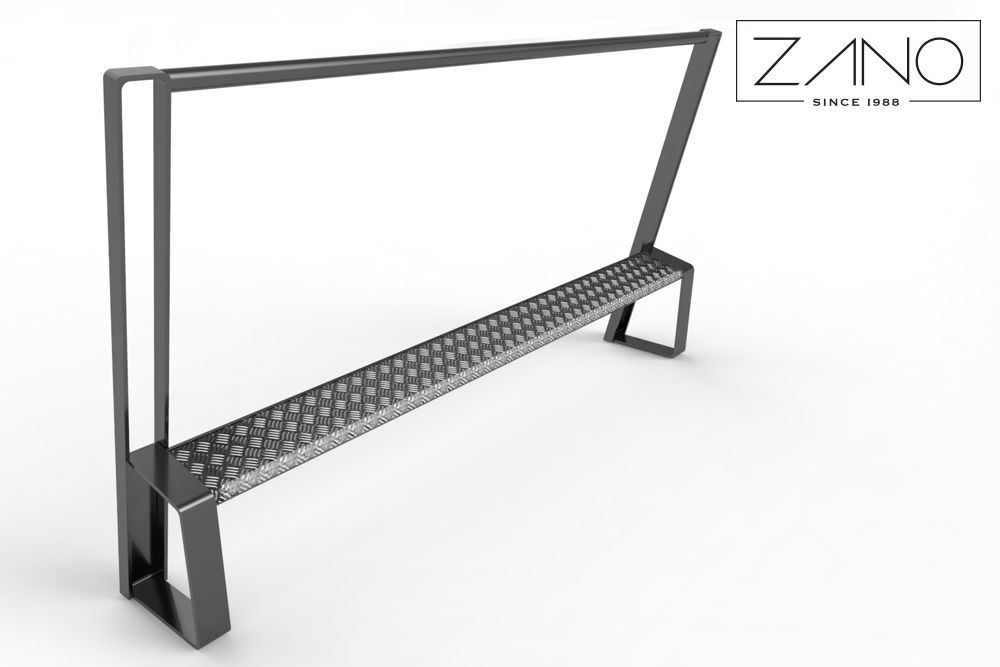
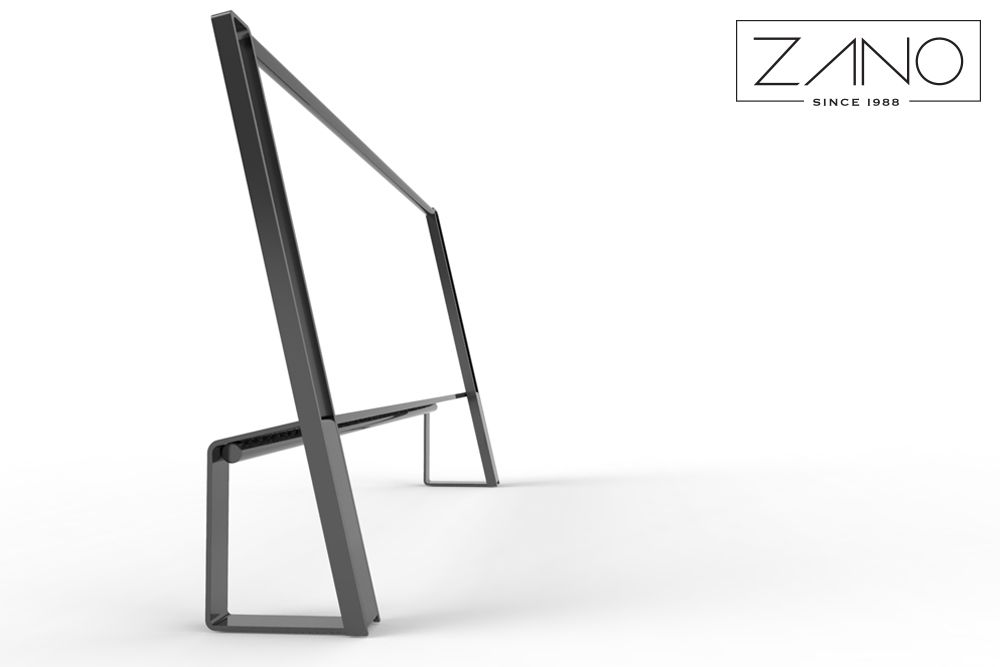


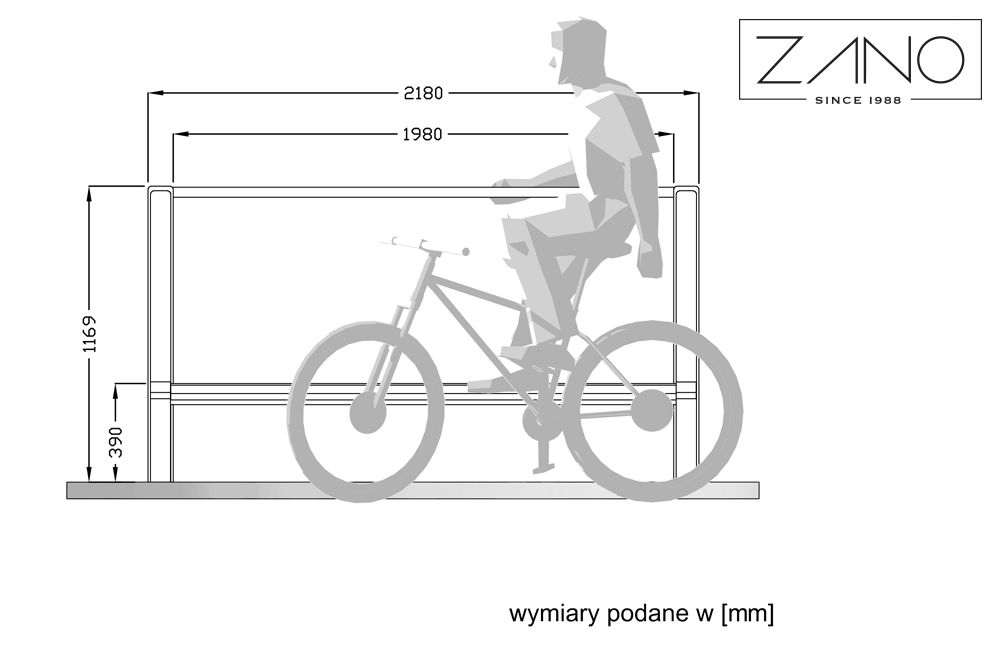
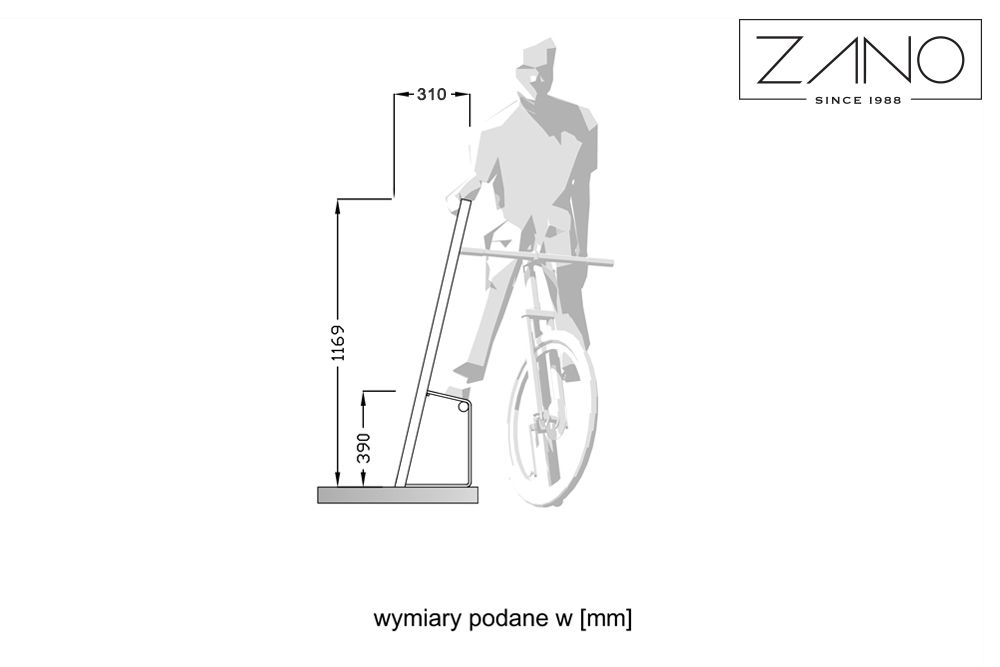
The Pauza Bikers Rest (SKU: 18.001), designed by Filip Babiarz, is a specialized element of urban furniture engineered to meet the needs of modern cyclists in public spaces. As part of the sophisticated Pauza product line, this structure serves as an efficient solution for the bicycle zone, providing riders with a dedicated space to rest and stabilize their bikes during transit. Measuring 218 cm in width and 117 cm in height, the design emphasizes accessibility and practicality, ensuring that it integrates seamlessly into high-traffic areas such as bicycle paths, parks, and commuter hubs. With a total weight of 58 kg, the structure provides a robust presence while maintaining a minimalist and industrial aesthetic suitable for diverse architectural environments.
Constructed from high-quality carbon steel (S235JR), the Pauza Bikers Rest is built for durability and resilience against intensive daily use. The material composition features a combination of structural flat bars and galvanised corrugated sheet metal, which provides both high mechanical strength and long-term protection against atmospheric conditions. This street furniture piece is designed for permanent installation, requiring the unit to be attached by bolts directly to a concrete foundation. This secure mounting method ensures maximum stability for the user while maintaining the structural integrity of the installation even in high-density urban settings.
This multifunctional unit reflects a commitment to functional design, bridging the gap between standard benches and specialized cycling infrastructure. By incorporating advanced materials and precise manufacturing techniques, the Pauza Bikers Rest offers a reliable support system that enhances the comfort of urban travel. The use of galvanised finishes not only extends the product's lifespan but also contributes to its refined appearance, making it a professional choice for landscape architects and city planners aiming to improve public infrastructure. As a staple within the bicycle zone, it stands as an essential component for cities promoting active transportation, combining geometric precision with the heavy-duty reliability expected of high-end urban furniture.