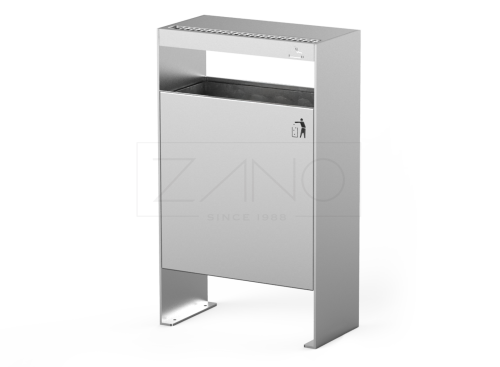
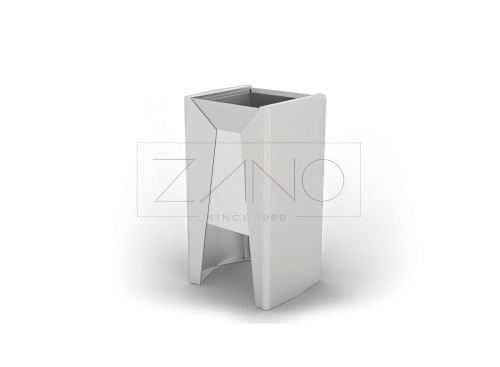
Photon litter bin
03.009
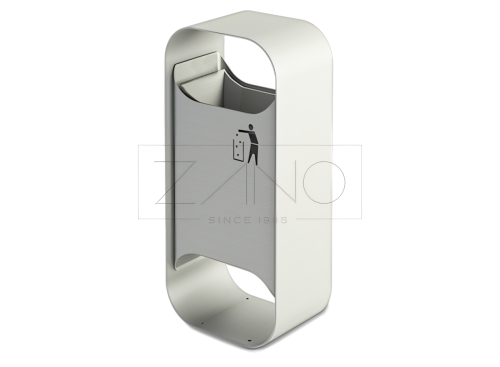
Clipo Litter Bin
03.064
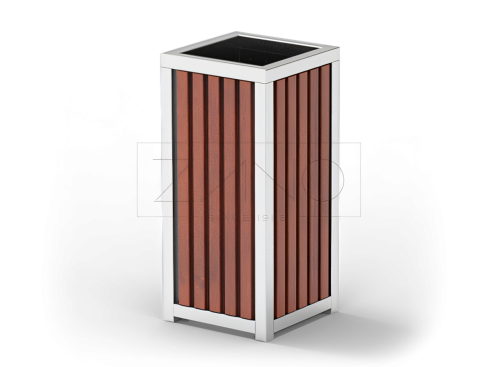
Altus Litter Bin
03.052
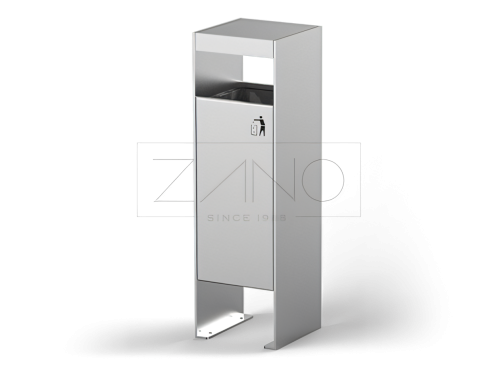
Simple Litter Bin
03.061
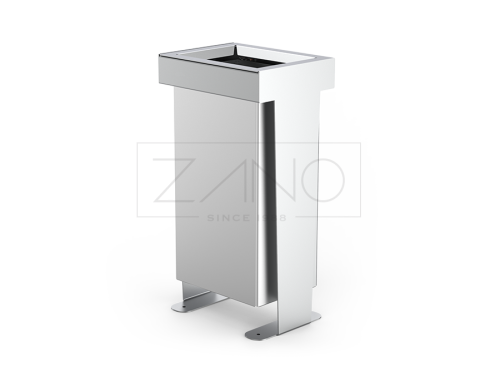
Reliq Litter Bin
03.013
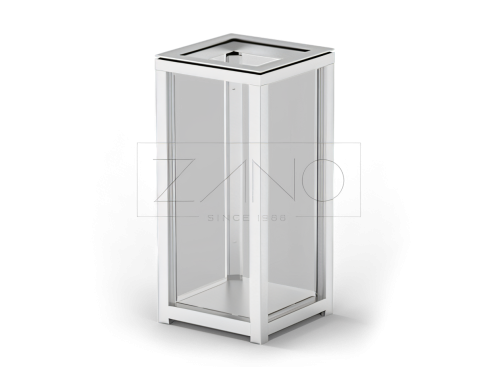
Anti-terrorist Safety Transparent Dustbin
03.052.4
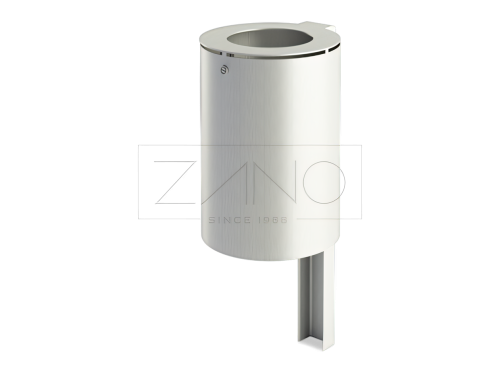
Aries Litter Bin
03.065
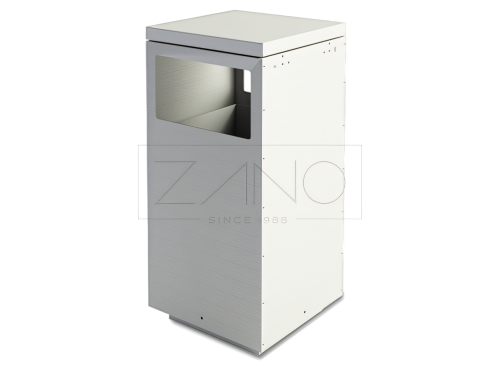
Mimesis Litter Bin
03.062
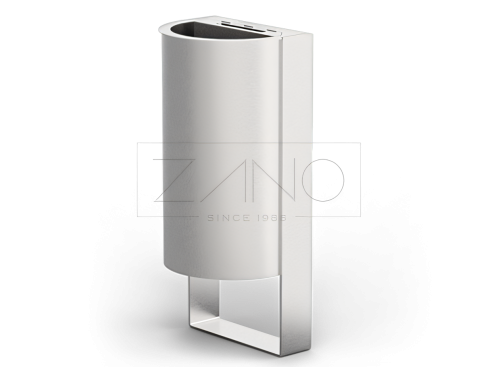
Litter bin with ashtray Start
03.044.1
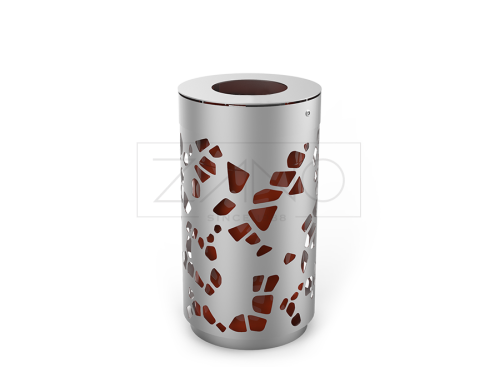
Tubus litter bin
03.053.2
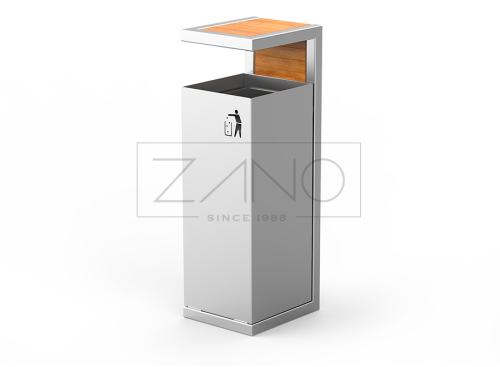
Pavo Litter Bin
03.063.1
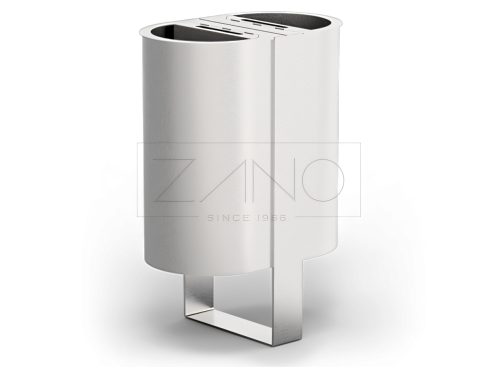
Double litter bin with ashtray
03.244.1
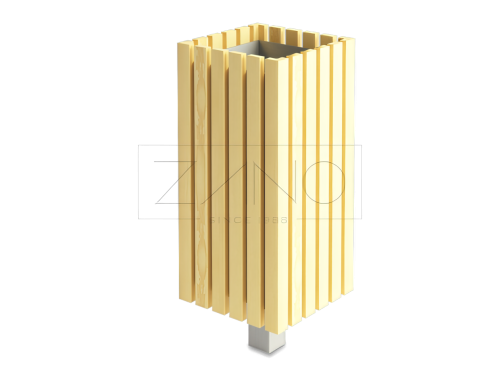
Onis Litter Bin
03.058
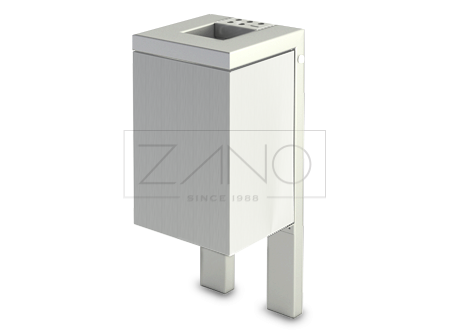
Cubus Litter Bin with ashtray
03.055
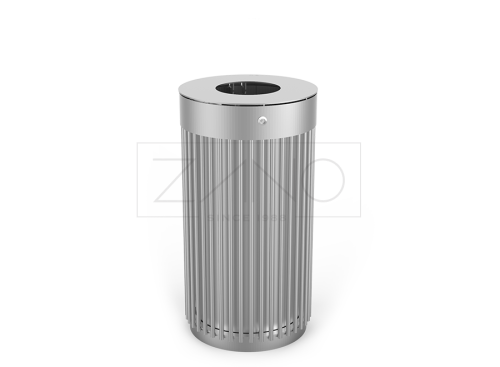
Tubus Litter Bin
03.053
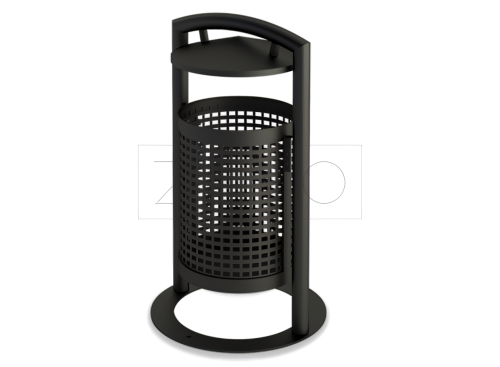
Revo Litter Bin
03.038
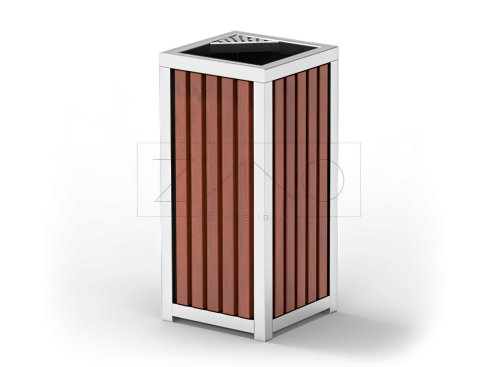
Altus Litter Bin
03.052.02
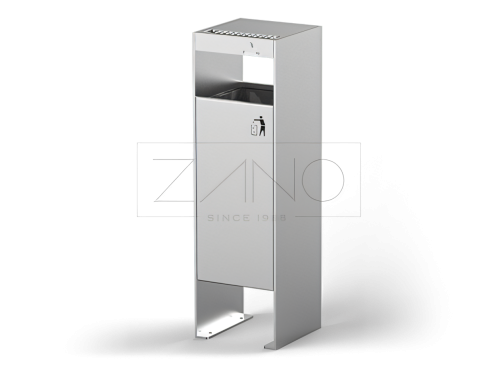
Litter bin with ashtray Simple
03.061.1
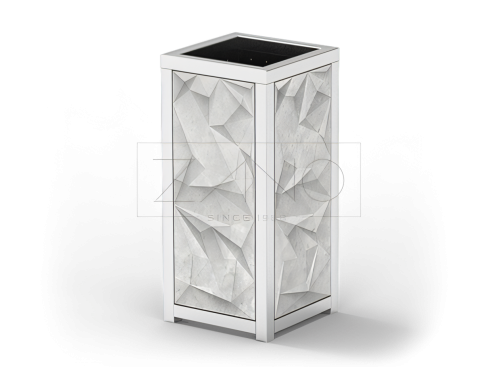
Trigono Litter Bin
03.070
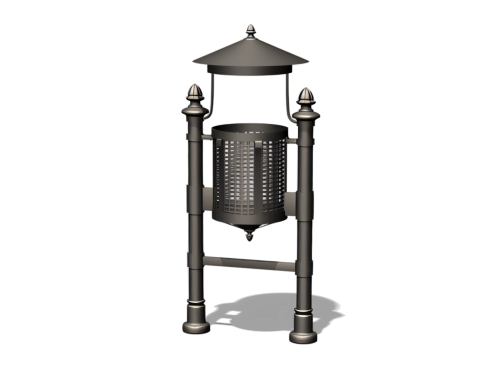
Litter Bin Royal
03.033
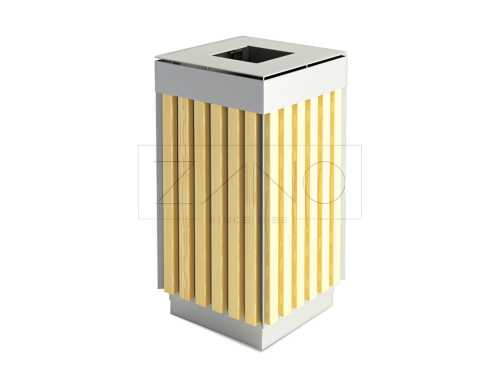
Argo Litter Bin
03.066
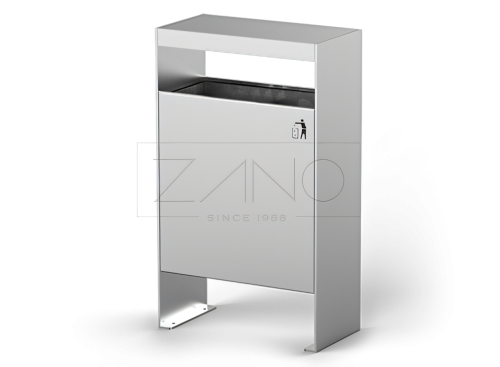
Litter bin Simple
03.261
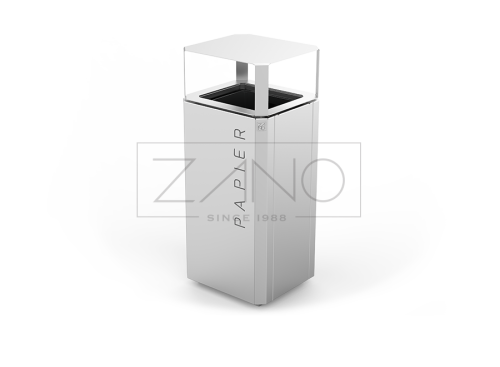
Stilo Litter Bin
03.048.1
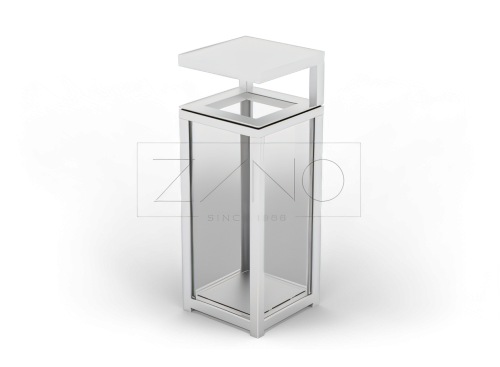
Anti-terrorist Safety Transparent Dustbin
03.052.5
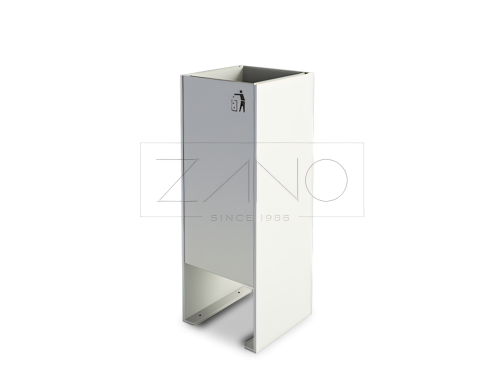
Simple Litter Bin
03.060
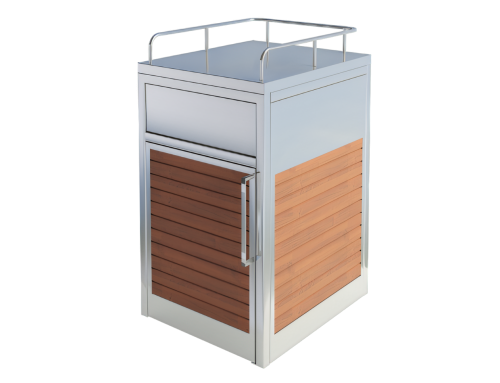
Salver litter bin
03.068
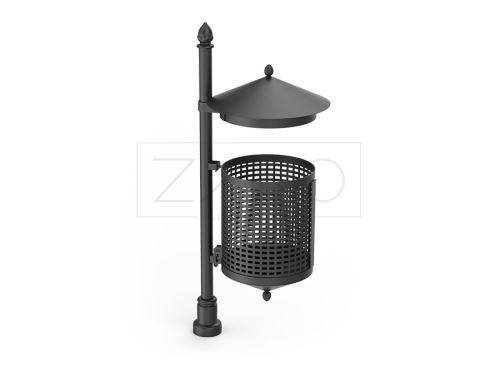
Litter Bin Tino
03.034
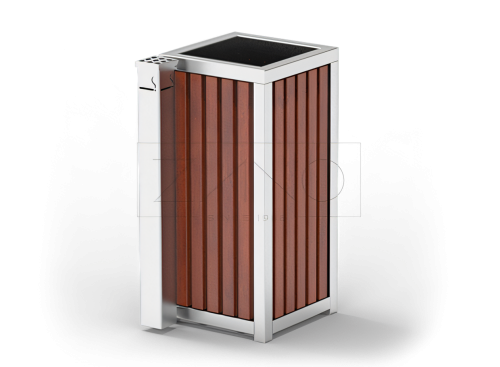
Altus Litter Bin
03.052.03
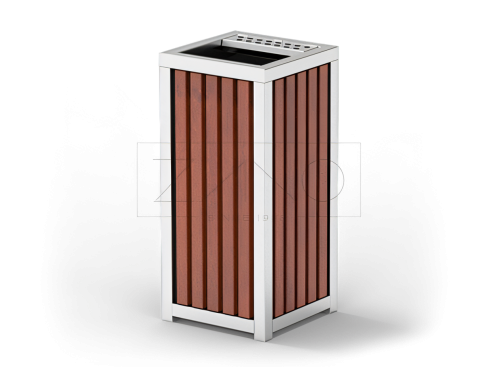
Altus Litter Bin
03.052.01
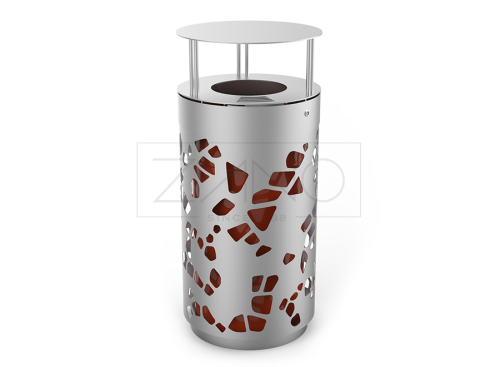
Litter bin Tubus
03.053.11
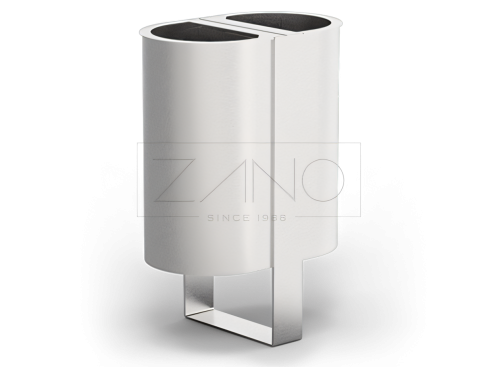
Double litter bin Start
03.244
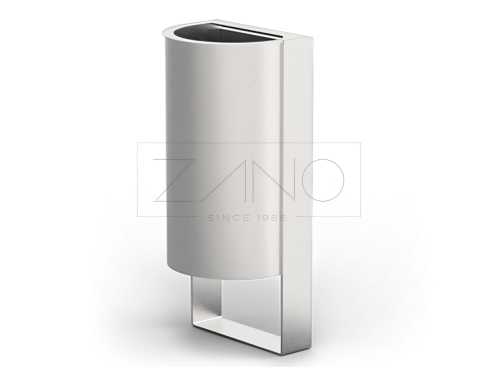
Start Litter Bin
03.044
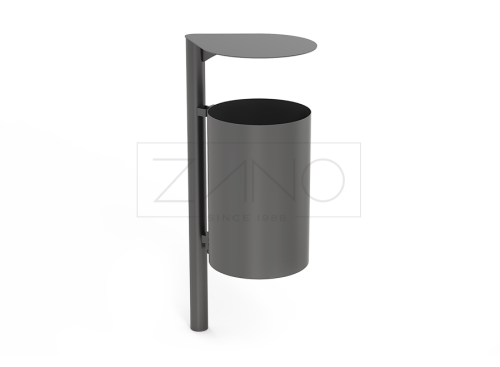
Porto Litter bin
03.093
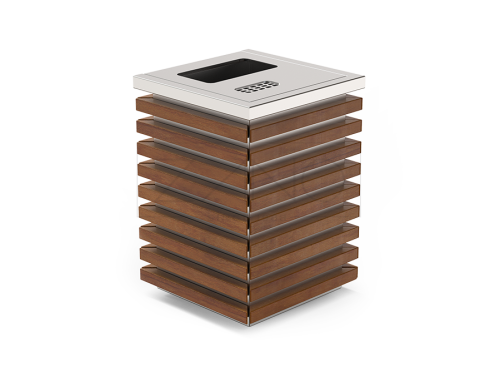
Block Litter Bin with ashtray
03.056
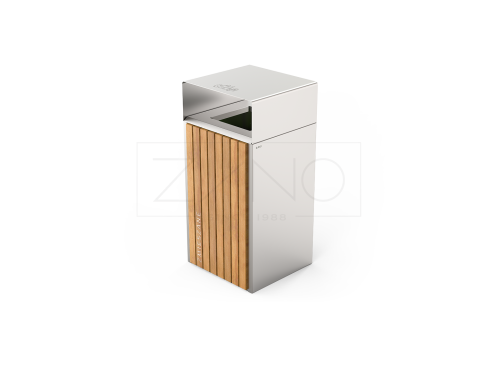
Quadro Litter Bin
03.076.1
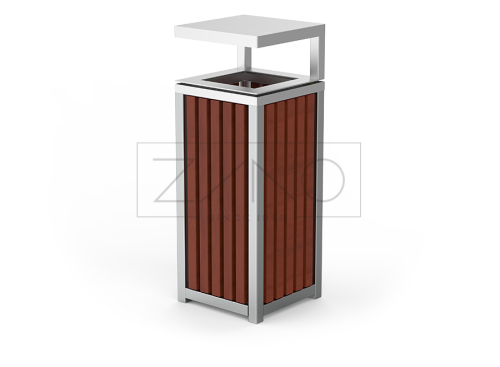
Altus Litter Bin
03.052.7
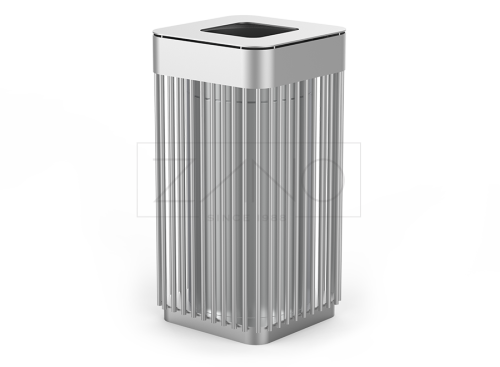
Calypso litter bin
03.051
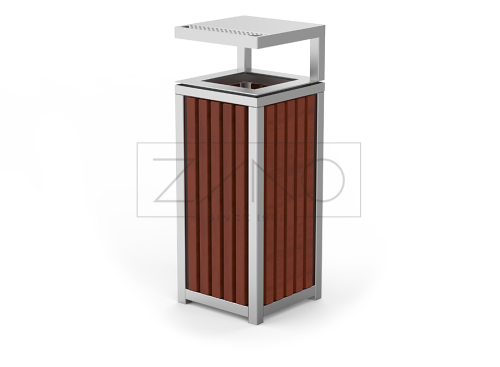
Altus Litter Bin with Ashtray
03.052.8
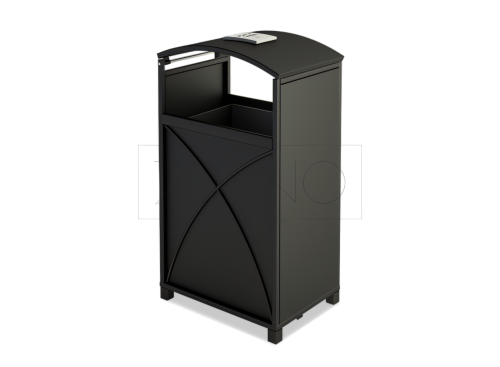
Skała Litter Bin with ashtray
03.039
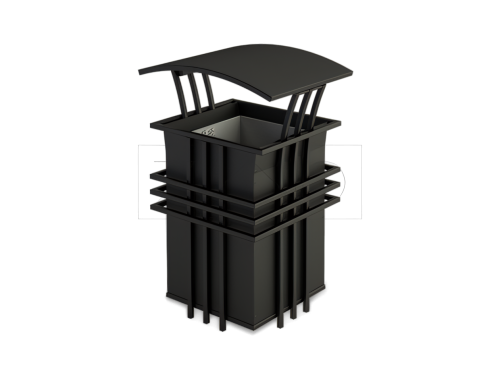
Art Nouveau Litter Bin
03.040
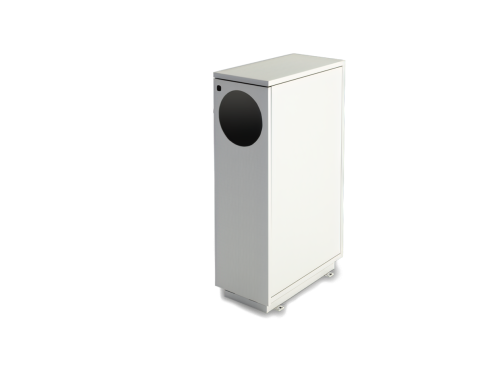
Norvik Litter bin
03.067
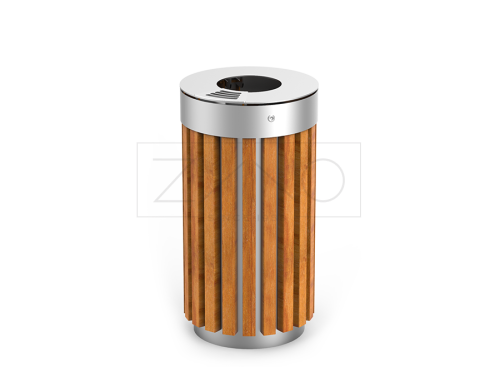
Tubus litter bin with ashtray
03.053.7
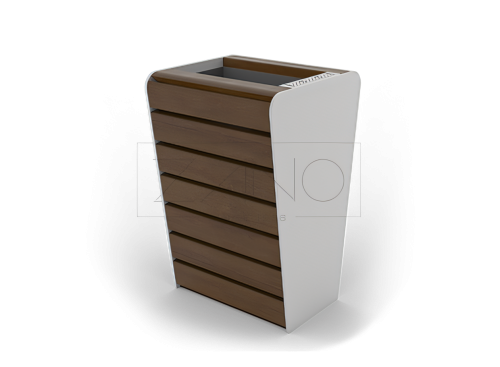
Soft litter bin with ashtray
03.012.2
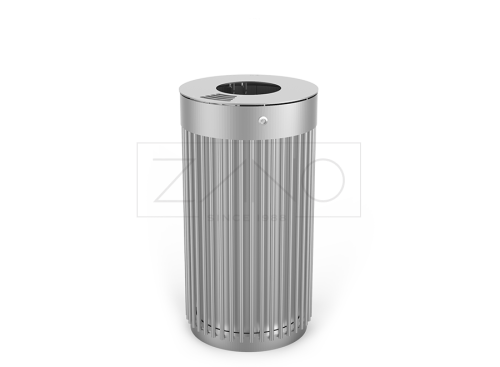
Tubus Litter Bin
03.053.4
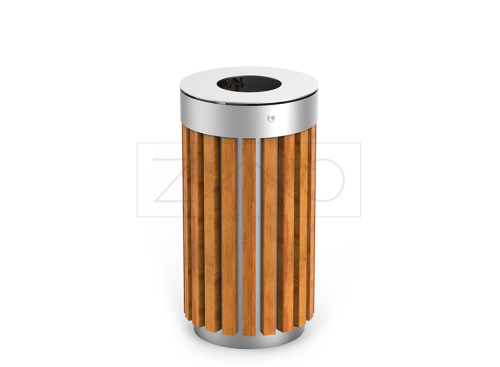
Tubus Litter Bin
03.053.1
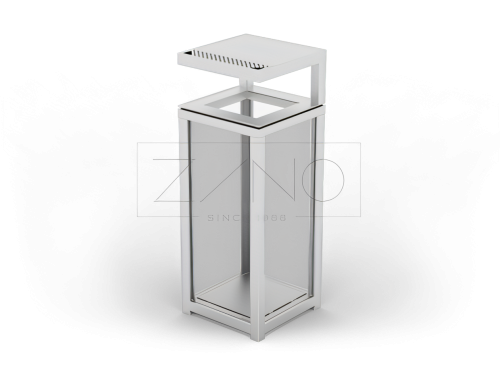
Anti-terrorist Safety Transparent Dustbin with ashtray
03.052.6
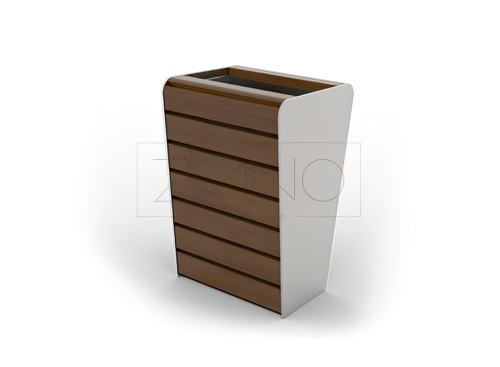
Soft litter bin
03.012
Litter bins, commonly referred to as trash bins or garbage cans, are essential components of urban and street furniture designed to maintain cleanliness and order in public spaces. These receptacles are strategically placed in various public areas such as sidewalks, parks, transit stations, and commercial districts to encourage proper waste disposal and prevent littering, which can lead to environmental pollution and detract from the aesthetic appeal of an area.
Manufacturers of litter bins create these products with a range of materials, including metal, plastic, concrete, and wood. Each material is chosen for its durability, aesthetics, and ability to withstand various environmental conditions such as rain, snow, and extreme temperatures. Metal bins, often made from stainless steel or aluminum, are valued for their strength and resistance to vandalism. Plastic bins are typically lighter and come in a variety of shapes and colors, allowing for customization and integration into different environmental designs.
In addition to material considerations, design and functionality play critical roles in the effectiveness of litter bins. Modern bins may feature different compartments for recycling and waste, thereby promoting environmental sustainability by facilitating waste separation. Some are equipped with self-closing lids to contain odors and prevent animal access, while others might incorporate ashtrays, advertising panels, or even smart technology that can signal when a bin needs to be emptied.
The capacity of litter bins also varies to accommodate the needs of different locations. Larger bins are often placed in high-traffic areas to reduce the frequency of emptying and maintenance, whereas smaller bins may be used in quieter, residential areas. This strategic placement ensures functionality and efficiency in waste management practices across urban landscapes.
Aesthetics is another important aspect of litter bin design. Bins must not only be functional but also complement the architectural and natural surroundings. Manufacturers often offer customizable options such as color, finishes, and designs that blend seamlessly with various urban settings. In historical or upscale areas, bins might have ornate designs and be made from high-end materials to align with the local ambiance.
Safety and ease of use are paramount for effective litter bins. Features such as smooth surfaces without sharp edges and mechanisms for easy opening and secure closing help ensure user safety and convenience. Additionally, ease of maintenance and resistance to common issues like graffiti and gum adhesion are considered during the design process to enhance the longevity and utility of the bins.
In conclusion, litter bins are vital elements of street furniture that contribute to maintaining cleanliness and order in public spaces. Their design, material, capacity, and placement are carefully considered to meet the functional and aesthetic needs of urban environments. As cities continue to grow and evolve, the development of innovative and sustainable litter bins remains crucial in urban planning and environmental conservation efforts.