Options
-
Construction
- carbon steel (s235Jr)
- stainless steel (Aisi 304)
-
Methods of installation
- free-standing
- attached by bolts to foundation


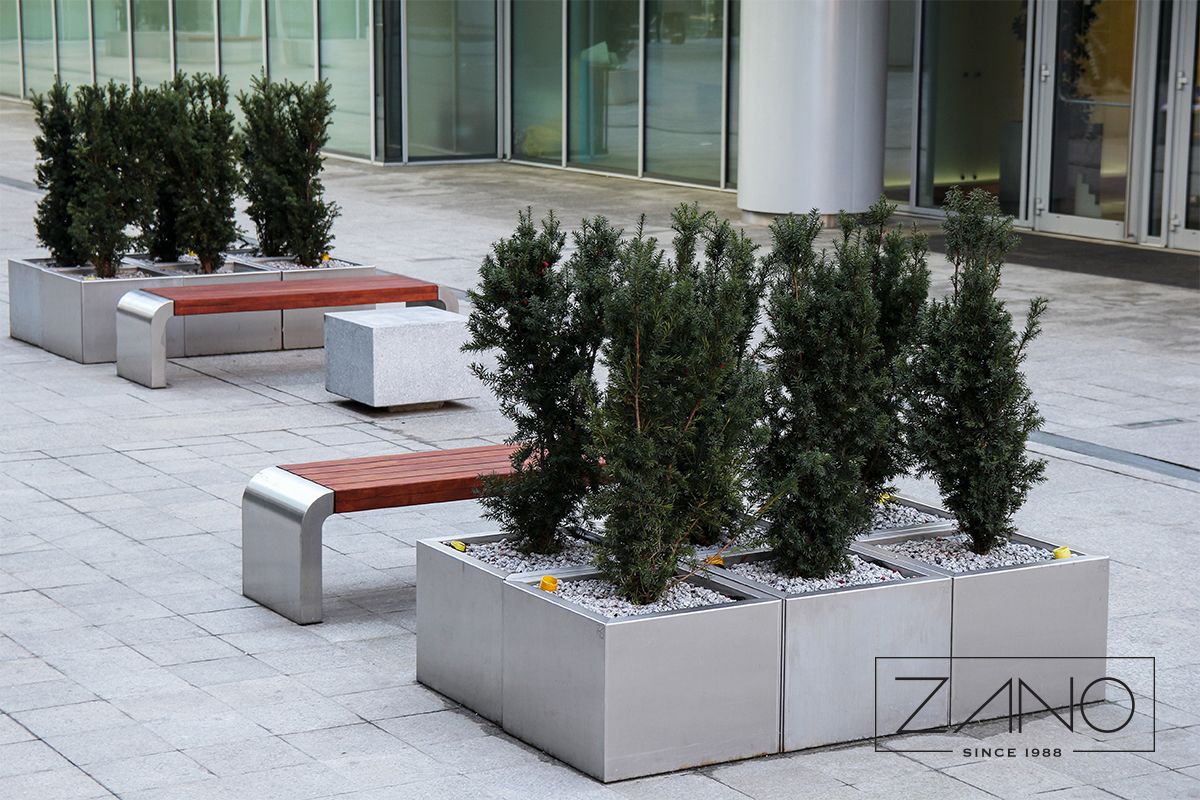
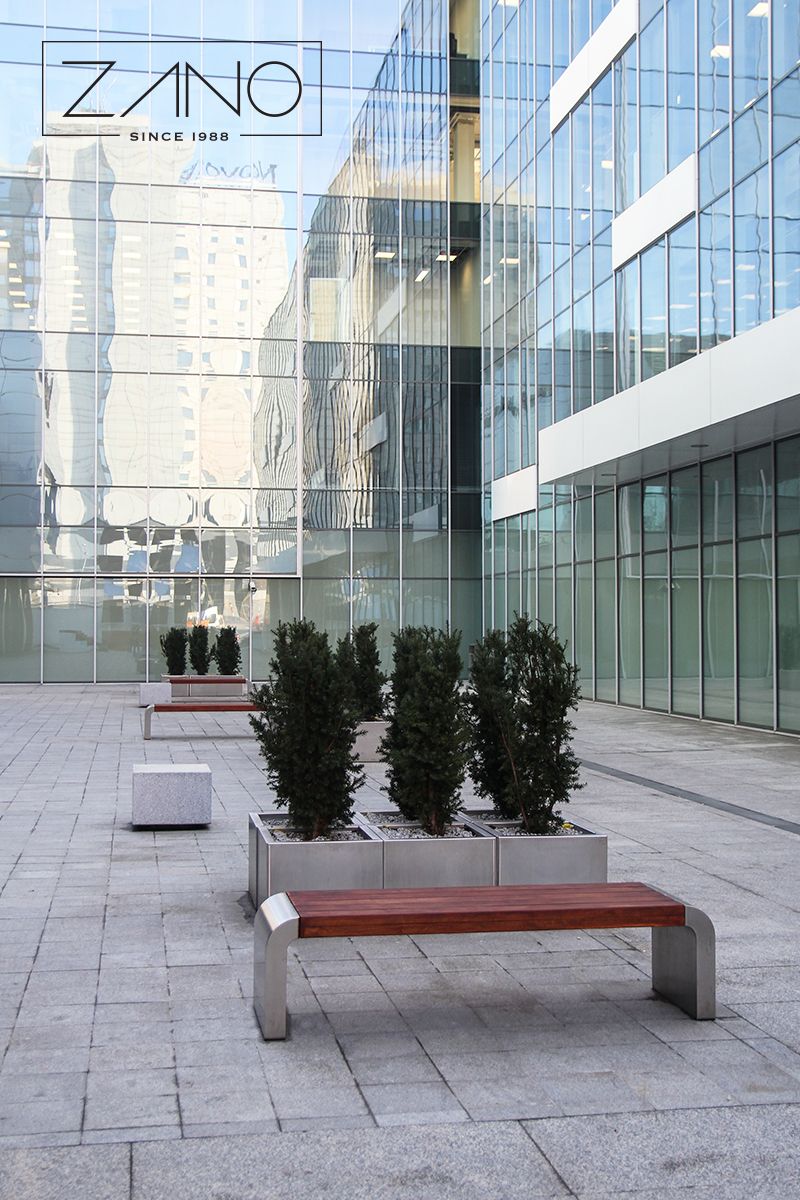


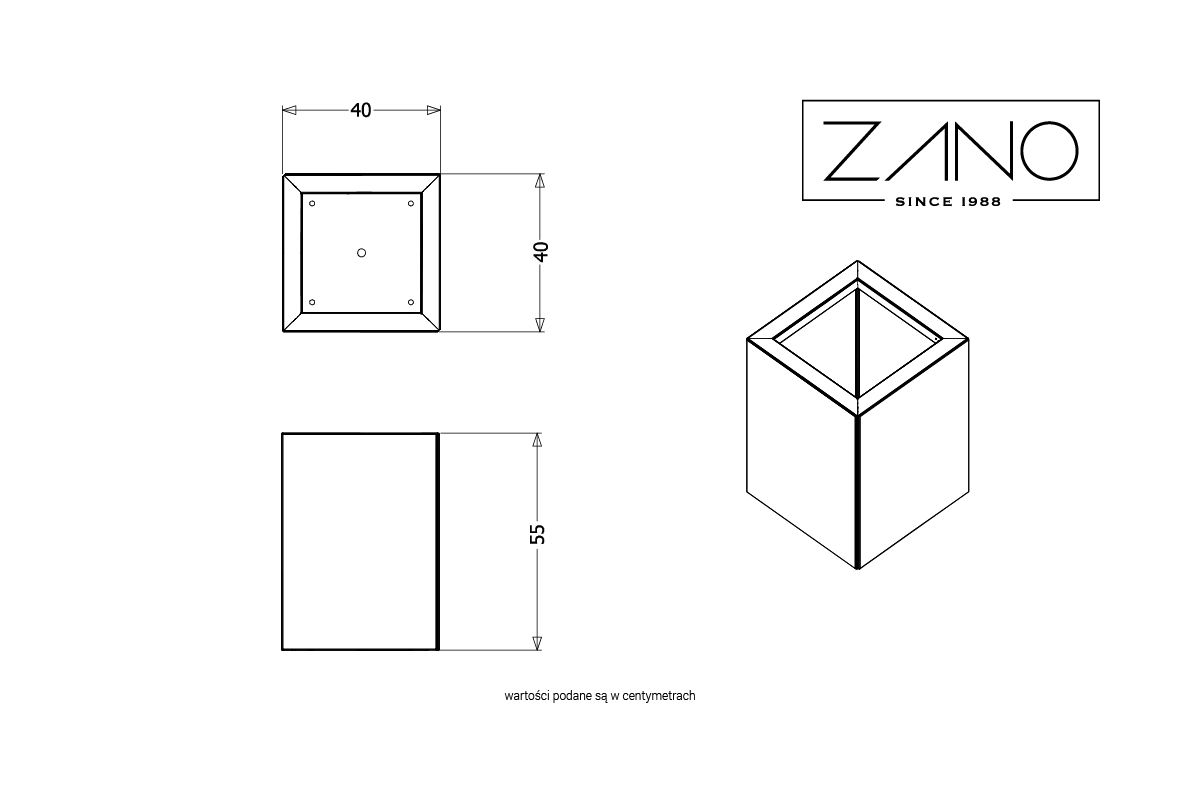
The Agawa Planter (06.020.2.S) is a quintessential example of refined urban furniture, meticulously designed to integrate functionality with modern aesthetic standards. Part of the distinguished Agawa product line, this planter provides a robust and elegant solution for the greenery arrangement in contemporary street furniture projects. With a compact width of 40 cm and a height of 55 cm, it is perfectly proportioned for placement in diverse environments, ranging from expansive public squares and bustling pedestrian pathways to more intimate terrace settings. Its deliberate design ensures that it complements rather than overwhelms the surrounding architecture, serving as a subtle yet impactful element of landscape design.
Durability remains a core attribute of this urban equipment, reflected in the premium quality of materials utilized in its production. Clients may specify the construction using either high-grade carbon steel (S235JR), which offers structural integrity and a versatile finish, or stainless steel (AISI 304), known for its exceptional corrosion resistance and longevity in demanding outdoor conditions. Weighing 20 kg, the planter maintains a stable presence, balancing ease of installation with the necessary weight to remain secure in high-traffic public zones. The material selection ensures that the piece retains its visual appeal over years of exposure to various climatic factors, upholding the manufacturer's commitment to quality in street furniture.
Recognizing the varied requirements of urban furniture planning, the Agawa Planter offers versatile installation methods. It can be supplied as a free-standing unit for flexibility in spatial planning or configured to be securely attached to the ground via anchor bolts to a foundation, ensuring stability in public spaces. As an essential component of modern urban design, this planter facilitates the integration of nature into the built environment. Whether utilized individually or arranged in groupings, it acts as a cohesive element within public infrastructure, contributing to the creation of organized and inviting exterior spaces while meeting the practical demands of municipal and private developers alike.