Options
-
Construction
- carbon steel (s235Jr)
-
Methods of installation
- to the post


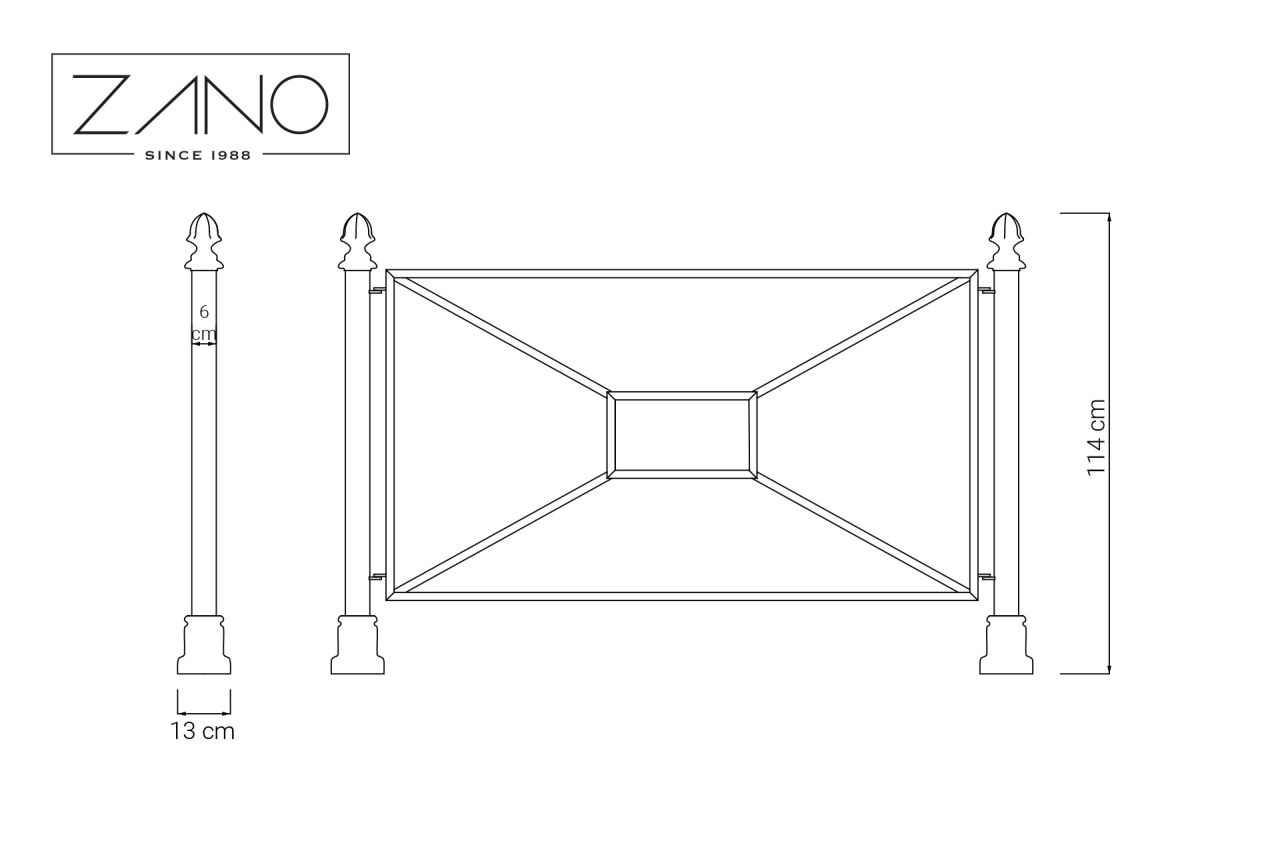
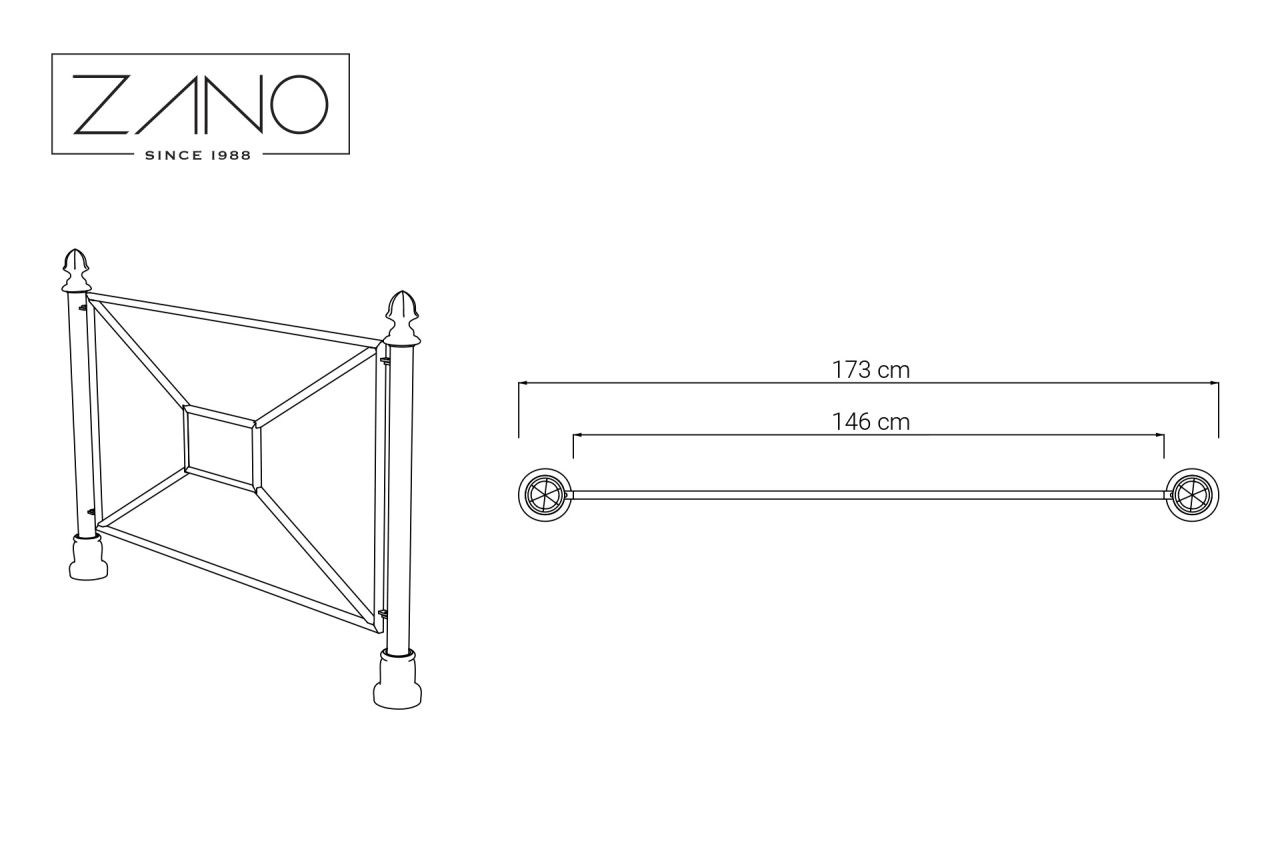
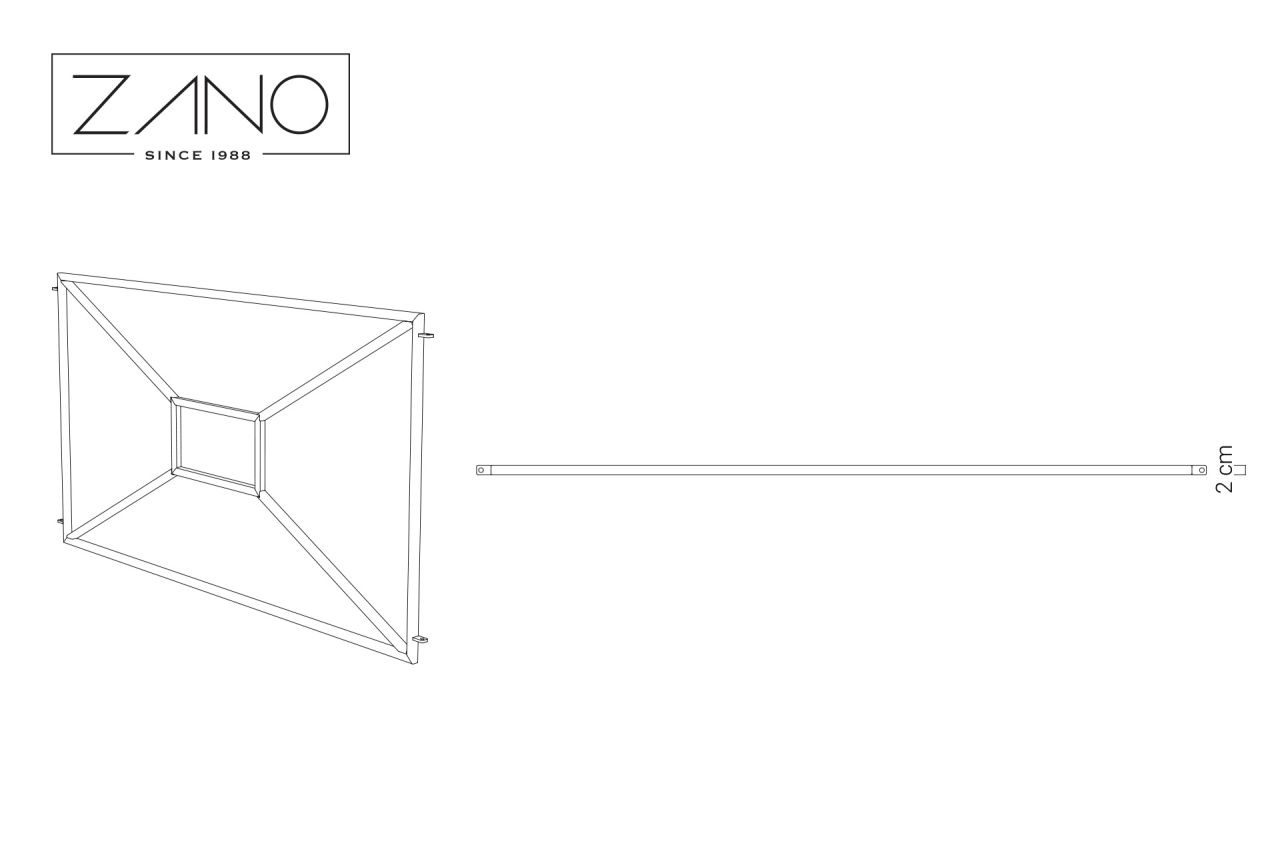
The Centro Fence, identified by SKU 10.022, is a sophisticated element of urban furniture designed by Tomasz Szpytma. As a prominent component of the Centro product line, this fence is engineered to provide both aesthetic refinement and structural integrity for modern public spaces. With an overall width of 173 cm and a height of 114 cm, the system offers a balanced proportion suitable for delineating pedestrian zones, parks, and architectural perimeters. Its design reflects a minimalist approach, ensuring that the street furniture integrates seamlessly into diverse landscape projects while maintaining a high standard of visual consistency.
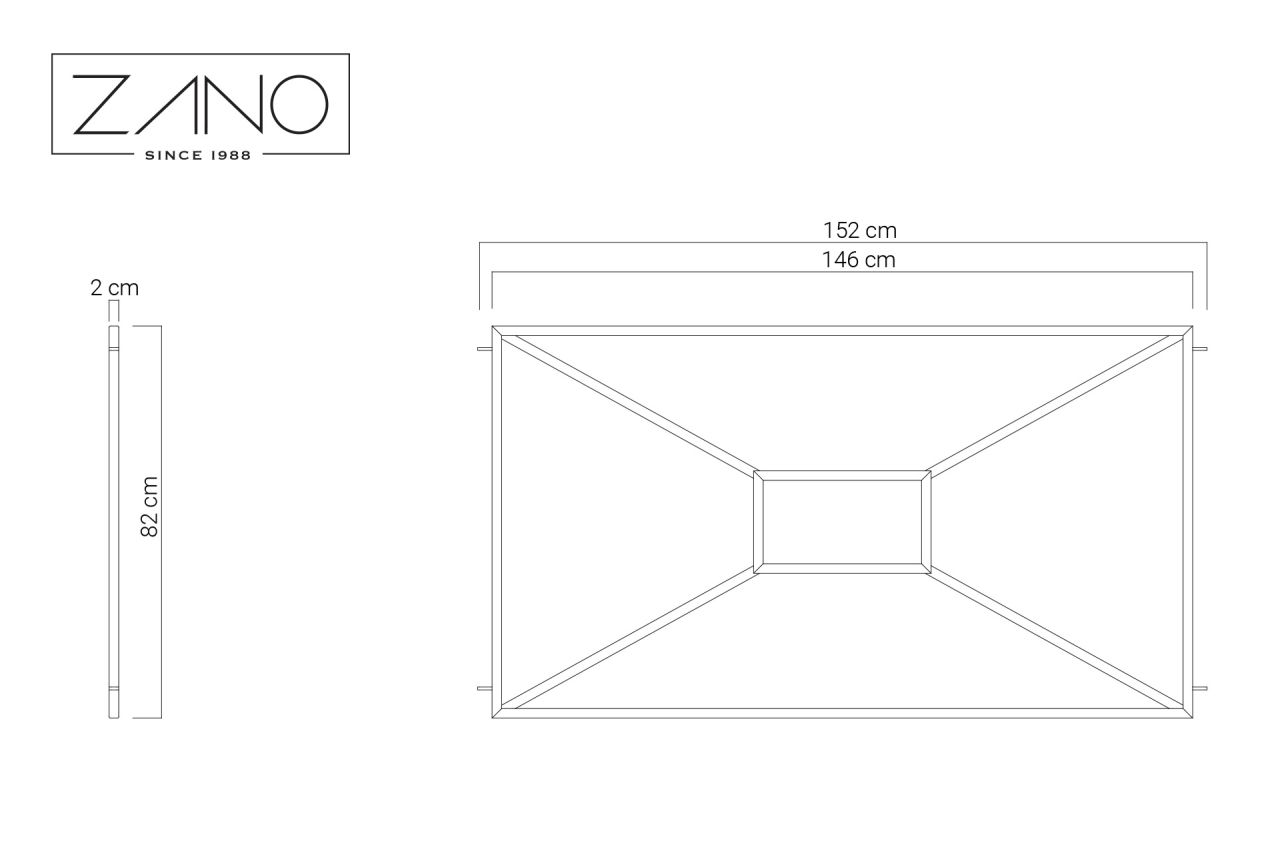
Constructed from high-quality carbon steel (S235JR), the Centro Fence is built to withstand the demands of public environments, ensuring long-term durability and resistance to atmospheric conditions. The robust nature of the material supports the structural reliability required for fencing systems in heavy-traffic areas. The assembly is designed for installation directly to the post, facilitating a streamlined mounting process. With a bay width of 146 cm and a depth of 6 cm—increasing to 13 cm at the post base—the product offers a stable and secure installation footprint, which is essential for maintaining the safety and organization of public walkways and plazas.
This metal fencing solution represents the intersection of industrial precision and contemporary design, characteristic of ZANO's commitment to high-quality street furniture. By prioritizing structural excellence and clean geometry, the Centro Fence effectively organizes public movement without compromising the surrounding aesthetics. Whether utilized in city centers or modern institutional grounds, the Centro series provides a cohesive solution for space management. Every detail of this urban design element has been considered to ensure it meets the rigorous technical requirements expected of professional outdoor equipment while serving as a functional barrier that complements the broader architectural context.